
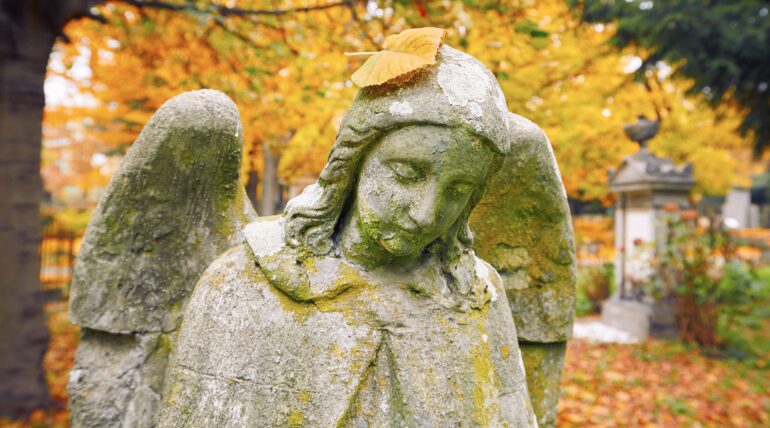
Eagle Grove Cemetery is an old and quiet place in town. It keeps memories of people from a long time ago. Many families rest here. Cemeteries show how people live, what they believe, and how they care for each other. Tall trees make shadows. Soft wind moves on grass. Visitors feel history around.
Early Origins and Founding
The cemetery started in the late 1800s, when Eagle Grove was a small town near the railroad. First, people need a place to bury family close to home. Before, people used private land. The community wants a common place for all. Land on the edge of the town selected. Ground soft, slope gentle, easy to dig graves. Trees planted, fence built around.
Local people work together to mark plots. Early graves with simple wooden crosses. Later, stone was made of marble or limestone. Early burials belong to settlers, farmers who help build the town: schools, churches, and small shops. Cemeteries become records of town history. Each stone shows a story of life, work, hope, and sometimes sorrow. Place shows care, respect, and value of community.
Over the years, the cemetery has become a center for remembering. Families come together, clean graves, and plant flowers. Young children learn respect for older people. Early traditions continue for a long time.
Growth Through Years
As towns grow, cemeteries grow too. In the early 1900s, new sections were added for more families. Maple and oak trees along paths. Gravel paths put for walking safe. Volunteers come on cleaning days and bring flowers, tools, and small food. People meet, talk, and share memories. Small events for families are quiet and respectful. The community shows care for the resting place.
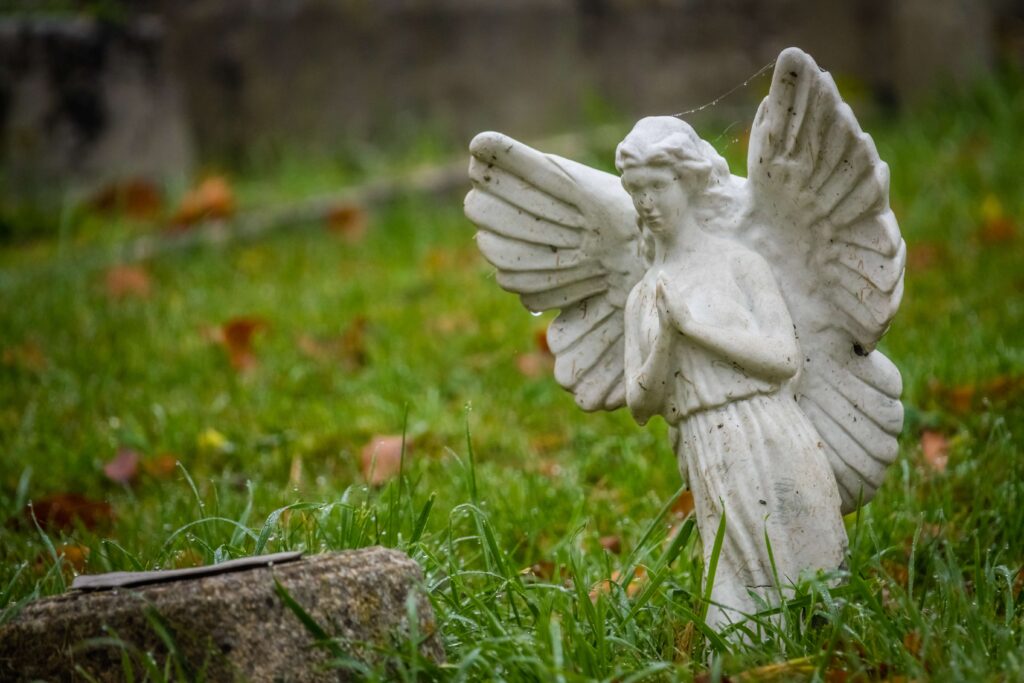
Stone design changes over time. Old stones, tall and narrow, with symbols. Hands in prayer, open Bible, flowers carved. Later, flat stones became more common and easier to keep. Each generation leaves a mark. Cemeteries show the history, art, taste, and values of people. Stones show time, not only dead but also living memory.
Common Symbols on Gravestones
- Carved flowers show short life, beauty
- Open book, meaning faith and learning
- Hands pray, showing hope for heaven
- Bird or dove, showing peace of soul
- Ivy leaves mean memory forever.
Role in Community Life
A cemetery is more than a place for the dead. Place of memory, meeting. Families come on special days, clean graves, and remember ancestors. Schools sometimes bring students to learn history and respect older people. Churches sometimes have small outdoor services in spring and autumn. Cemeteries show history alive in town life.
The town council manages repairs and records. Rules are simple: keep order and stay safe. Families pay a small fee for upkeep. Volunteers help with fences, trees, and cleaning. Cemetery is a shared responsibility, not only a public service. Shows values of cooperation, respect, and care.
The community also holds small events. Some plant flowers, and some make small stone cleaning projects. Children see elders working and learn respect. Cemeteries connect generations. Place teaches quietly how the past is important, even when people are gone.
Restoration and Preservation
In the mid–1900s, old stones crack and wear. Citizens start cleaning and restoring. Broken markers repaired and put on a new foundation. City workers improve drainage and add gravel paths. Goal: keep the old design, feeling, and dignity. Not modernize, only protect quiet character.

Records also preserve. Old notebooks with names and plots copied to the town archive. Families find roots and forgotten relatives. Historians make maps that show cemeteries expanding over years. Help visitors understand the story of the place.
Preservation Actions by Community
- Repair old stone markers and fences
- Clean worn inscriptions
- Replant trees lost by storms
- Record grave locations for archives
- Restore paths, add simple signs
Nature and Sense of Place
Nature is important here. Big trees provide shade in the summer. Flowers bloom in spring. Quiet, more than town traffic. Birds sing, and soft wind moves grass. Visitors say the place is peaceful, not sad. Hills soft, sky open, feel connected to Iowa land. Shows farming roots. Life and land together.
Layout simple, sections by family and age. The old plots feature small fences and stone borders. New parts are grassy and open. Benches along paths for rest and reflection. Nature helps purpose: provide peace to the dead, comfort to the living.
Grass grows between stones, and small shrubs are planted. People sometimes leave small flowers or decorations. A place not only for the dead but also for living memory. Cemeteries keep town history and show people care, respect, and life values.
Meaning and Legacy
Eagle Grove Cemetery shows the story of the town. Courage of early settlers, faith of children, care of later people. Every stone and name connects to a story of work, life, and loss. The cemetery sees floods, storms, and changes in town. Still quiet, steady, and calm.
People today value cemeteries. Teach history not only in books and museums. History should also be taught in the ground, where ancestors are buried. Respect and preserve the link between past and present. Cemetery, quiet teacher of time. Show memories of people before us living in town life.
Visitors feel history, not only look at stone. Hear wind and birds, and see trees. A cemetery is a place of memory, care, and peaceful life. Early families, later families, everyone is part of the story. Cemeteries keep the town’s heart open to the past.
Graves are small, simple, tall, carved, and old. Children learn, adults reflect. Cemeteries remind us about time passing, work done, family life, and community care. The place is still used, still respected, and still peaceful. Memory is never lost, because the town keeps it alive in care, in tradition, and in respect.